Tuesday, December 13, 2016

Ancient Egypt Project: An Instruction Manual for Journeying to the Afterlife


Project Overview  For the past week, we have studied ancient Egyptian religious beliefs, specifically as they relate to death and the afterlife. It's now time to demonstrate what you've learned. Rather than take a test or write an essay, your assessment will come in the form of a  project. Specifically, you will be creating an instruction manual

Imagine that the pharaoh of Egypt has come to you requesting your advice and wisdom on how he or she can gain entry to the afterlife. The pharaoh wants specifics. "What exactly do I need to do?" he or she asks. You decide the most effective way to communicate the specifics on everything from mummy and tomb preparation, to navigating the underworld, to what to expect at the Hall of Two Truths, is to create an instruction manual.  
   
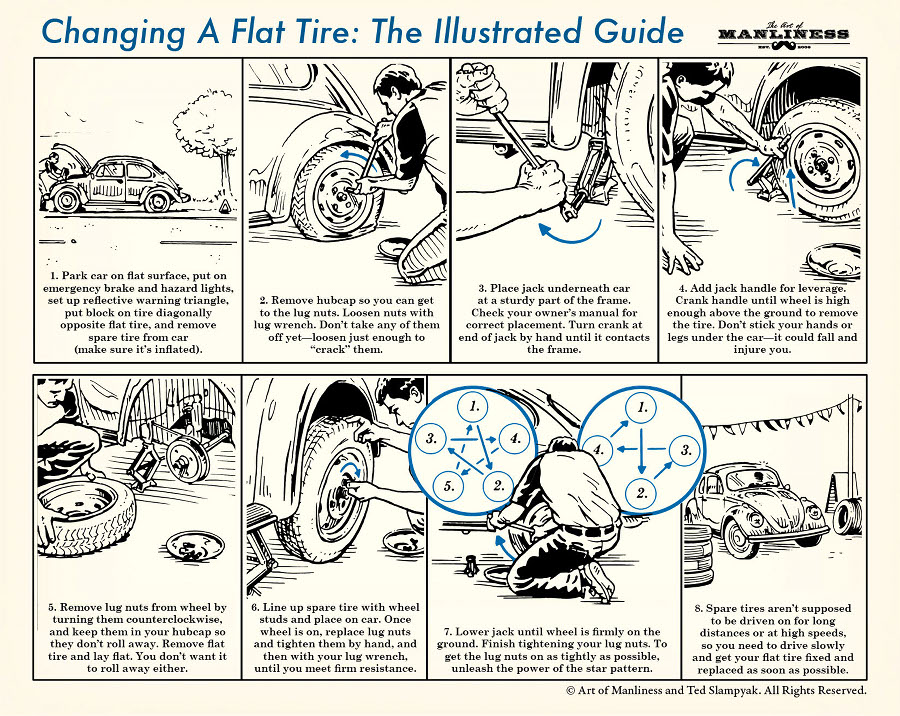
Examples of Instruction Manuals  The purpose of an instruction manual is to educate its user about how to do something. There are instruction manuals for just about everything, from how to build something to how to fix something to how to play a game. 

An effective instruction manual probably includes: Instructions presented as step-by-step procedures, simple concise language, and visuals to make it easier to understand. 

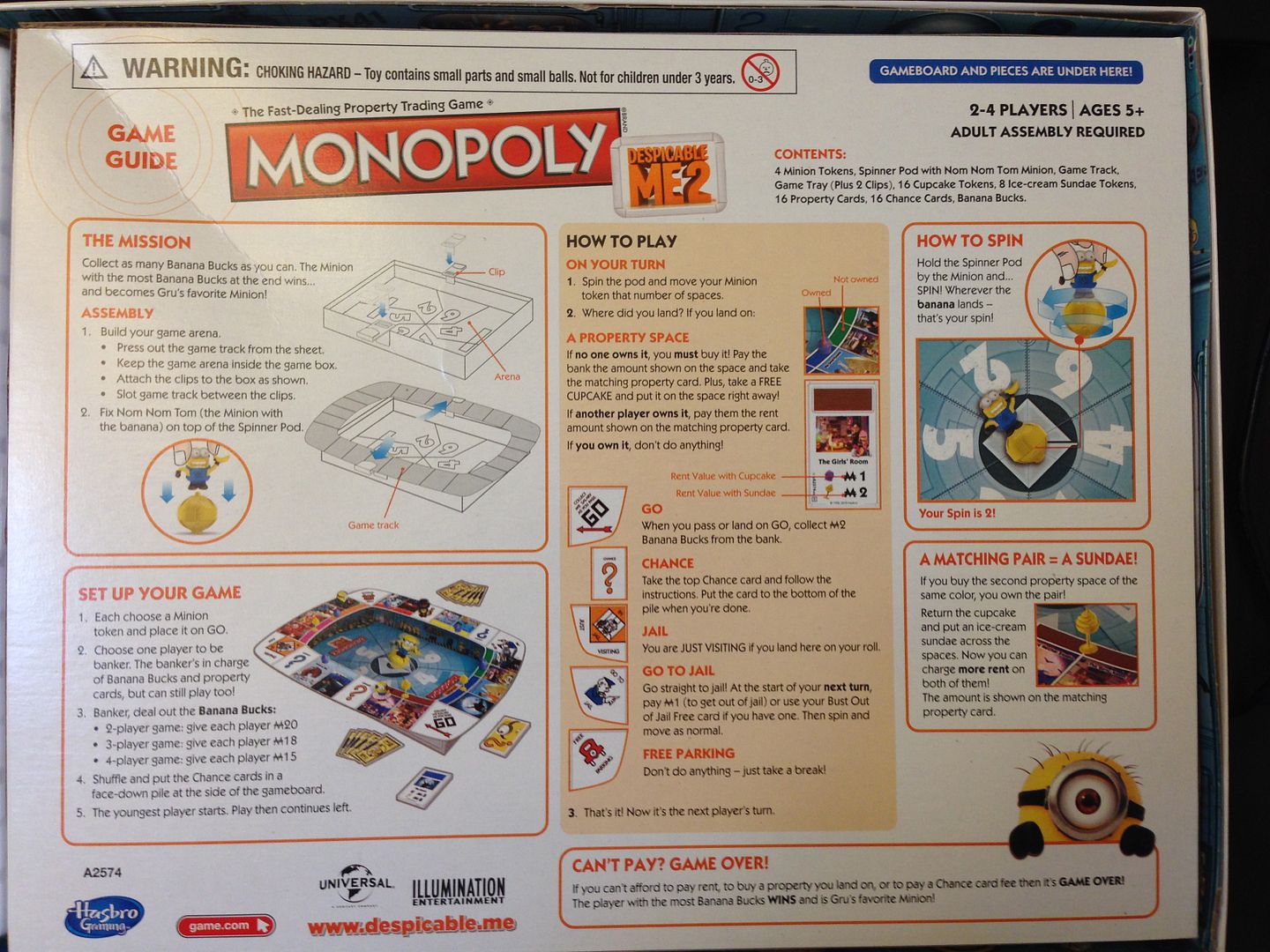
Below are few different examples of various types of instruction manuals. 


Project Guidelines  You, along with a selected partner, will now begin constructing your own instruction manual together with the purpose of educating a pharaoh about how to gain entry into the afterlife. You and your partner will initially use the Google Slides application to create slides for each step of the 'Journey to the Afterlife.' After your Google Slides presentation is complete, you will use WeVideo software to create a screencast video and narrate your presentation. 

Other Instruction Manual Project Guidelines
  1. You and your partner must agree on a theme and fonts for your Google Slides presentation, making the design of each slide of your 'instructional manual' consistent and visually appealing. 
  2. You must include a title (e.g., A Guide to the Afterlife), along with both of your names. 
  3. You must include information about the following topics and create a titled slide for each: Preparing the Tomb, Preparing the Body, The Journey Through the Underworld, The Hall of Two Truths, The Final Judgement, and The Afterlife.
  4. Information should be presented in a step-by-step format and use either numbers or transition words to make clear each step. 
  5. You should write clearly and concisely, use your own words, and use second-person pronouns (e.g, you and your).  
  6. You should include at least one visual, image, video or illustration for each step on each slide.
  7. After, completing your Google Presentation, you must work together to create a video screencast using WeVideo software that features both of your voices narrating each slide. 
  8. You must share responsibilities and make sure both of you are contributing equitably to this collaborative project.    
This project will be due next Wednesday, December 21.

Monday, December 12, 2016

Life and Death in Ancient Egypt: Journey to the Afterlife (Day 3)


 Lesson Focus Question   What was the role of religion in ancient Egypt?

Journey to the Afterlife: Video Selections  Today we will continue to investigate ancient Egyptian religious beliefs, specifically as they relate to beliefs about the afterlife. We will also continue to examine multiple sources; today our sources include a variety of videos. As you watch the videos, continue to to take notes using the document Journey to the Afterlife - Study Guide.

The first video provides an overview of ancient Egyptian beliefs about the afterlife, with a special focus on the role and importance of tombs.


The next video explains the mummification process


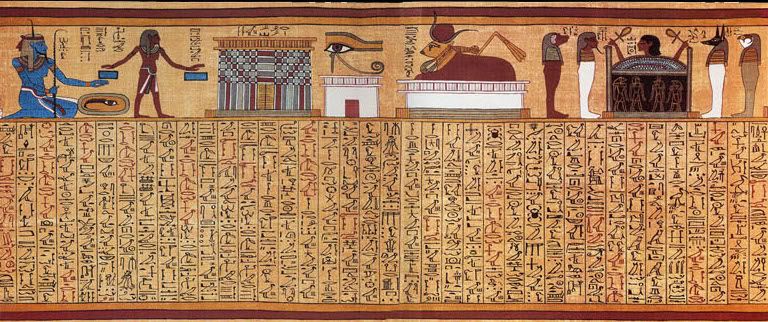
Now we will watch in excerpt of a video examining role of the Book of the Dead and the journey through the underworld.


Finally, check out this comically gruesome take on what goes down in The Hall of Two Truths, and which includes an appearance by Osiris at The Final Judgement


Homework  Complete your Journey to the Afterlife - Study
GuideDueFriday, December 16.

Thursday, December 8, 2016

Life and Death in Ancient Egypt: Journey to the Afterlife (Day 2)


 Lesson Focus Question 
  What was the role of religion in ancient Egypt?

Journey to the Afterlife: Overview  Now that we all clearly understand some of  the important terms and concepts related to ancient Egyptian religion, it's time to begin our investigation into the ancient Egyptian beliefs about the afterlife. Your task is to gather important information about each step an Egyptian would take on his or her journey to the afterlife. You will take notes using the document Journey to the Afterlife - Study Guide which can be found in your Social Studies Google Classroom

Ultimately, we will use our collected information to construct an Egyptian Afterlife Instruction Manual, which you will design for an ancient Egyptian pharaoh to help him or her successfully navigate the journey to the afterlife. More to come.

Today, however, we will begin working as a whole-class by examining an excerpt from your Social Studies textbook featured below entitled "Journey tot he Afterlife." Make sure as we read to add important information to your Study Guide. 


Journey to the Afterlife: Group Read and Investigation  Now we will break up into groups and dig even deeper for critical information related to the journey to the afterlife. I will provide each of you with a copy of the book The First Civilizations which also features a section entitled "Journey to the Afterlife" beginning on pg. 40. You and your group will read the section together, identify important information, and add key details to the pertinent sections of your Study Guide.  


Homework  (1.) Complete your Journey to the Afterlife - Cognitive Content Dictionary, which and Hatshepsut and Ramses II - Comparison Contrast Paragraph, both of which are due tomorrow, Friday, December 9. (2.) Continue working on your Journey to the Afterlife - Study GuideDueFriday, December 14.

Wednesday, December 7, 2016

Life and Death in Ancient Egypt


Lesson Focus Question   What was the role of religion in ancient Egypt?


Writing Warm-Up  Today we begin to learn about ancient Egyptian religious beliefs about death and the afterlife. But before we learn what they believed, let's consider some of our own beliefs. What do you believe happens after we die? Do you believe in life after death? If so, what does that mean to you? Share some of your ideas here

Journey to the Afterlife: Vocabulary Study  Today we are going to learn key words and concepts related to ancient Egyptian beliefs about death and the afterlife. You can find the assignment Journey to the Afterlife - Cognitive Content Dictionary in your Social Studies Google Classroom. After locating your assignment, I want you to make a prediction about what you think each word means by closely studying the images and accompanying questions below. We will then learn the definitions together, select a visual representation for each word, and use each word in self-constructed sentences to demonstrate our developing understanding. 
  
Do you believe in an afterlife?

Who or what do you think resides in the underworld?

What might an archaeologist find in a tomb?

If Osiris makes the final judgement of a dead person's soul, what decision is he making?

What are some of the steps in the preparation of a mummy?

Why do you think Ramses II wanted to become a mummy

Homework  Complete the assignment Journey to the Afterlife - Cognitive Content DictionaryDueFriday, December 9.

Monday, December 5, 2016

Writing Comparison-Contrast Paragraphs


 Today's Learning Objectives   * Write informative/explanatory texts to examine a topic and convey information through the use of comparison/contrast. * Understand the significance of Hatshepsut and Ramses the Great.

Warm-Up: Selecting Your Similarities and Differences  As you know, today we will begin writing compare-contrast paragraphs in which we explain the similarities and differences between Hatshepsut and Ramses II. Before we do, however, we must decide which similarities and differences we find most important and want to feature in our paragraphs. 

Your task: Review the Hatshepsut and Ramses II Venn Diagram from yesterday. Using the highlight function, highlight the similarities and differences that you find most important from your venn diagram and that you may want to include in your compare/contrast paragraph.  

What Does a Comparison/Contrast Paragraph Look Like?  When you write to compare or contrast something, the topic sentence tells what you're comparing. The details tell how things are alike or different. 

Check out the example below. 

Also notice how the paragraph uses what we call signal words. Writers use signal words to show when they are comparing or contrasting. Signal words help the reader see that the writer is telling how things are alike or different and showing the connections between ideas. 

Lists of signal words can be found below. Make sure you utilize some of these words in your own paragraphs.

Notice how the example paragraph below employs signal words to show both similarities and differences. 

Lastly, what are the key elements of a good comparison-contrast paragraph? Check out the checklist below. 


Writing Your Hatshepsut and Ramses II Comparison-Contrast Paragraph  Now that you have examined a couple of examples and understand the essential elements of an good comparison-contrast paragraph, it's time to start writing your own. You can find the assignment Hatshepsut and Ramses II - Comparison-Contrast Paragraph in your Social Studies Google Classroom. You will have today and tomorrow to work on your paragraph in class, and it will be due on Friday, December 9.    

Thursday, December 1, 2016

Comparing and Contrasting Hatshepsut and Ramses II


 Today's Social Studies Objective   Understand the significance of Queen Hatshepsut and Ramses the Great

 Today's Writing Objective 
  Write informative/explanatory texts to examine a topic and convey information through the use of comparison/contrast

Introducing Comparing and Contrasting  To compare means to tell how two things are alike. To contrast means to tell how they are different. To better understanding comparing and contrasting, check out the videos below. 


Applying the Skill: Comparing and Contrasting Hatshepsut and Ramses II  Today we will utilize the skill of comparing and contrasting in order to identify the similarities and differences between the two Egyptian pharaohs Queen Hatshepsut and King Ramses II. What do these two pharaohs have in common with each other? How are they different? 

You will use the document Hatshepsut and Ramses II - Venn Diagram, which you can find in Social Studies Google Classroom, to make note of these similarities and differences. As most of you know, when using a venn diagram, similarities are recorded in the overlapping section of the circles, while the differences between two subjects are made clear in the outer labeled areas of the circles which are not overlapping.

Today, you and your teammates are going to closely examine the two text sets related to Hatshepsut and Ramses II, as well as your Hatshepsut Notes and Ramses II Notes, and try to identify both similarities and differences between these two subjects. You will then record your findings on your Hatshepsut and Ramses II - Venn Diagram. Towards the end of class we will do a whole-class share-out, as each group will have the opportunity to share their similarities and differences with each other. 

Tomorrow, we will begin to construct compare and contrast paragraphs about Hatshepsut and Ramses II based on the similarities and differences we come up with today.  

Homework  (1.) Complete your Hatshepsut and Ramses II - Venn Diagram by tomorrow, Friday December 2, so you can use it as a resource to help your write your upcoming Hatshepsut and Ramses II compare/contrast paragraph. (2.) Complete the Egypt Under the Pharaohs - Cognitive Content Dictionary, Authority Under the Pharaoh, Hatshepsut Notes, and Ramses II Notes assignments, all of which are due Friday, December 2.

Tuesday, November 29, 2016

Egyptian Pharaoh Study: Ramses II


 Today's Learning Objective    Understand the significance of Ramses the Great

Warm-Up: What makes a great leader?  Today I want you to consider what makes a leader great? What qualities do great leaders possess? What do great leaders do? Can you think of any examples of great leaders? Share your ideas in your Social Studies Google Classroom

Examining Ramses II from Multiple Sources  Ramses II is considered by many to be the greatest leader in Ancient Egypt's history. But was he? In order to understand his significance we will be consider Ramses using multiple sources. We will examine a section from our Social Studies textbook, a primary source that includes Ramses's own words, a short documentary video, and finally a Powerpoint presentation designed by a teacher. By examining a text set composed of a variety of sources, my hope is that you will develop a more comprehensive understanding of this complex and remarkable figure from history.

You will use the document Ramses II Notes located in your Social Studies Google Classroom to document the important things you learn about him and his reign. 

We will begin by reading an excerpt from our Social Studies textbook below.    

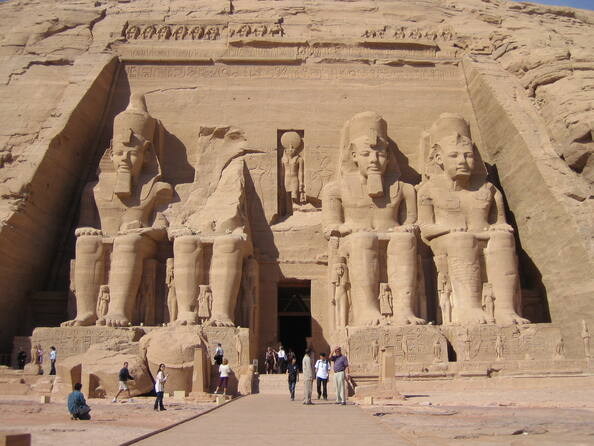
Abu Simbel


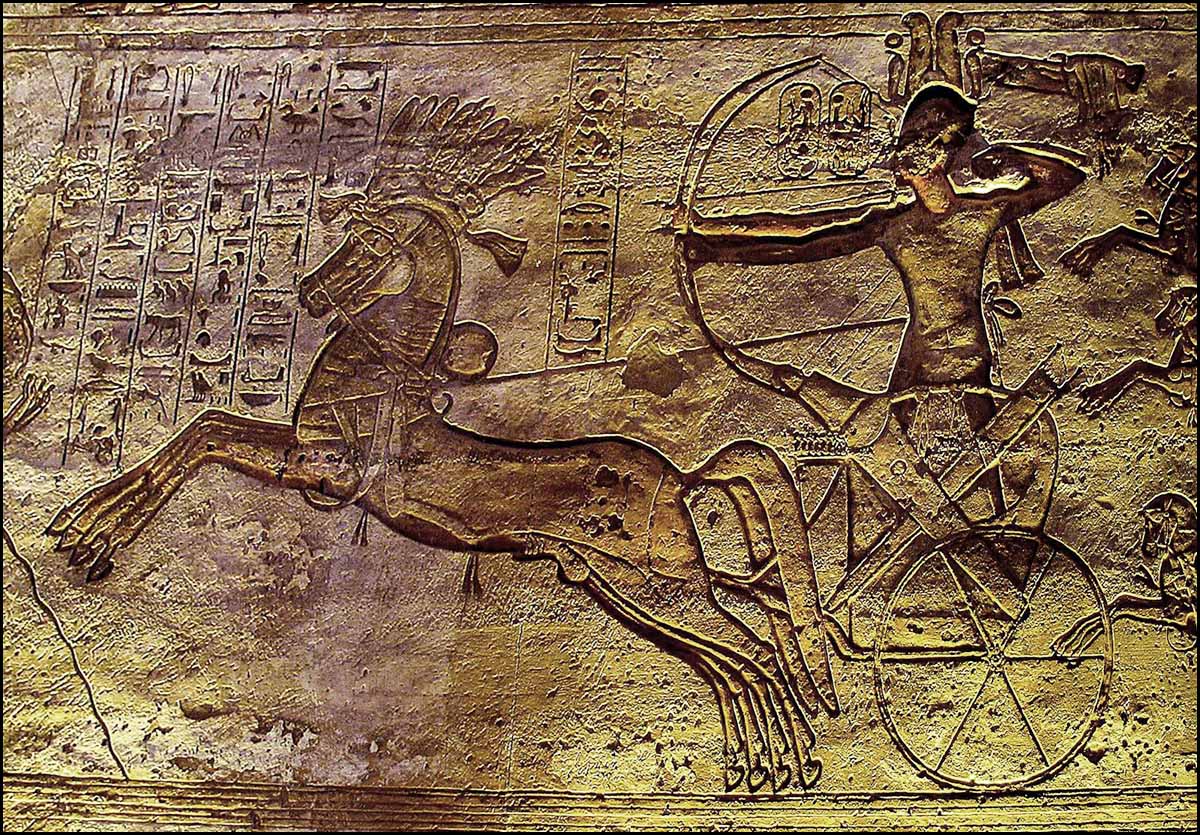
Now we will read Ramses's own words (an example of a primary source), in which he blames his own troops for the failures of the Battle of Qadesh.


Ramses the Great and the Battle of Qadesh 

Next, we will watch a video that takes a critical look at Ramses and cast him as essentially a propagandist who built shrines and monuments in his honor as a way of covering up his own failures. Is this a fair perspective?    


Finally, let's check out a PowerPoint presentation designed by a fellow teacher, which tries to take a more balanced view of Ramses II. 

Monday, November 28, 2016

Egyptian Pharaoh Study: Hatshepsut


 Today's Learning Objective    Understand the significance of Queen Hatshepsut 

Warm-Up: Video of the Day  Watch the video below about the growth of human population over the last 100,000 years. What observations can you make? What are the implications, if any, of this for the way we live now and the future of your planet? 


Examining Hatshepsut from Multiple Sources  Queen Hatshepsut was one of the most important leaders in Ancient Egypt's history. In order to understand her significance we will be consider Hatshepsut using multiple sources. We will examine a section from our Social Studies textbook, an excerpt from the book Hathshepsut: His Majesty, Herself, a primary source document that includes Hatshepsut's own words, a short documentary video, and finally a poem. By examining a text set composed of a variety of sources, my hope is that you will develop a more comprehensive understanding of this remarkable figure from history.

You will use the document Hatshepust Notes, located in your Social Studies Google Classroom, to document the important things you learn about her and her reign. 

We will begin by reading an excerpt from our Social Studies textbook below.    

Now we will read an excerpt from the book Hathsepsut: HIs Majesty, Herself, which focuses on what Hatshepsut did in order to be accepted as pharaoh by the Egyptian people. 


Next, we will examine a primary source. A primary source is a document or physical object which was written during the time under study. The words below are said to be Hatshepsut's  and come directly form an obelisk (an Egyptian monument) inscription created during her reign. What do we learn about Hatshepsut from her actual words? Should this source carry more weight than others? 


Next, check out the short documentary video about Hatshepsut below. 


Finally, read this poem by Ruth Whitman written from the perspective of Hatshepsut. 


HATSHEPSUT:


Before my father came to the throne  


there was chaos in our double kingdom- 


from the Great Green Sea on the north  


to the land of Nubia on our south.


Men without breasts love war.  


They measure their height


by the mountains of severed hands  


piled up, cut from their enemies.


But I saw our land laid out in peace:  


Thebes, the southern city, the horizon of earth  


stretching east to west


and the fecund river cleaving the land


south to north.  


Sun and moon


sail from east to west


across the Nile,


from life to death


and back again.


Symmetry. Order.  


The Nile


floods, recedes, floods.


And over us stretches Nut, 


the goddess who is the sky. 


The sun travels by night 


through her body,


the moon and stars by day. 


Her toes touch the east,


her fingers reach to the west, 


she arches over us,


rainbow mother of night and day.

Homework  (1.) Complete the Egypt Under the Pharaohs - Cognitive Content Dictionary and Authority Under the Pharaoh assignments, all of  which are due Friday, December 2(2.) Continue working on the Hatshepsut Notes assignment, which is due Friday, December 2.

Tuesday, November 22, 2016

Egypt Under the Pharaohs: Guided Reading

 Today's Focus Question  How did the pharaohs gain authority over a large kingdom? 


Guided Reading: Egypt Under the Pharaohs  Today we are going to read about how the pharaohs, or rulers of Egypt, were able to gain the authority to rule over Egypt. Where did this assumed power come from? How were a succession of pharaohs able to maintain control of Egypt for so long? As we read excerpts of your Social Studies workbook below, you will use the document Sources of Pharaoh's Authority, which is located in your Social Studies Google Classroom, to take notes on this topic. 


Homework  Complete the assignment Sources of Pharaoh's Authority by Friday, December 2

Monday, November 21, 2016

Egypt Under the Pharaohs: Vocabulary Study


 Today's Focus Question  How did the pharaohs gain authority over a large kingdom?


Egypt Under the Pharaohs: Vocabulary Study  Today we will study the key vocabulary related to the leaders and governing of Ancient Egypt, using the document Egypt Under the Pharaohs - Cognitive Content Dictionary, which can be found in your Social Studies Google ClassroomWe will be using an excerpt from our Social Studies textbook, which can also be found in your Social Studies Google Classroom (as well as here) to help us understand the lesson's key words and concepts. This assignment will be due Friday, December 2

Friday, November 18, 2016

Current Event Friday

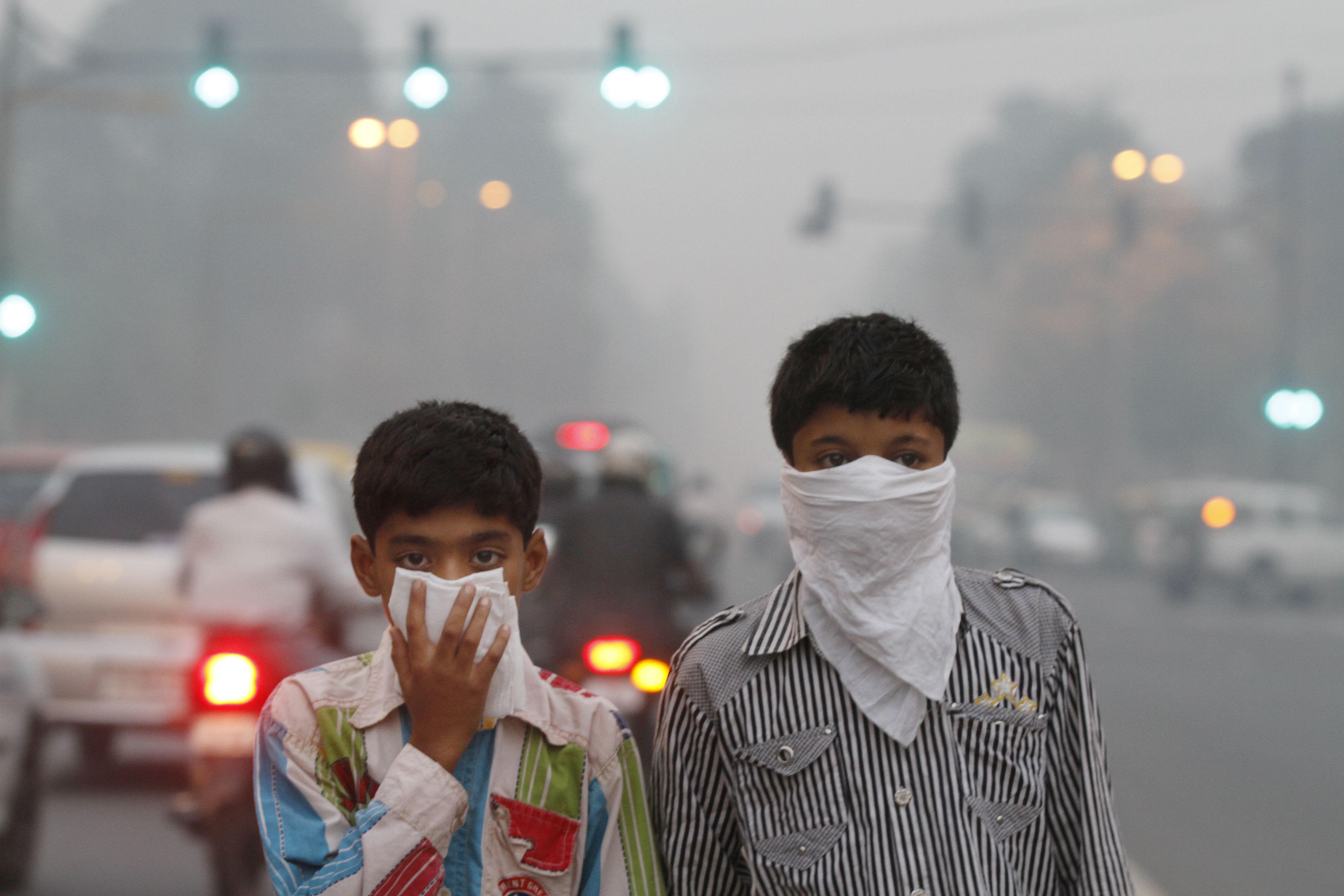
Watch this week's 'The Week in Rap' to find out what's happening in New Delhi, India. 


Adding to Our Social Studies Google Map  First, today we are going to pin the current event story you researched most recently, as part of the "Current Events" layer of your Social Studies Events Map. Follow the steps: pin event in its proper geographic location, add a title, include the text from your current event summary, post a related image, and consider including a specialized icon for your pin.

Flocabulary: The Week in Rap  Many important news events took place around the world this week. Let's review some of them with our friends at Flocabulary.


Researching and Summarizing a Current Event  This week Flocabulary rapped about air pollution in India, kids suing the government over climate change, diverse women winning important seats in the U.S. Senate, a rise in hate crimes since the presidential election, the talent and speed of female Japanese basketball players
and a study about ticklish rats

Your objective is to select the story the most interests you, click the link for additional information, take notes, and then write a current event summary. Locate the document Current Event Notes and Summary in your Social Studies Google Classroom. This assignment will be due Friday, December 2 

Thursday, November 17, 2016

Mapping Egypt Activity and Exploring Egyptian Pharaohs


Appropriate Behavior with the Substitute  I'm sorry I couldn't be with you today. I fully expect you to be on your very best behavior with your substitute today. Please stay in your seats, stay focused on the work outlined here on the Blog, and, most importantly, treat your substitute with decency and respect. Remember, I can monitor your computer use and expect to see that you focused on your assignments and not goofing around. If you don't have a working Chromebook today, partner up with someone in your group and work with them. I expect to receive a positive report form the substitute upon my return. Students that choose to not to be their best selves today may receive serious consequences upon my return. Have a great day!

Mapping Ancient Egypt Activity  Today is your last class day to work on your map of Ancient Egypt. You can still find the assignment Map of Ancient Egypt in your Social Studies Google ClassroomRemember that directions for how to complete the activity are included with the map. 

Exploring Egyptian Pharaohs  If you completed your Ancient Egypt Map, and are ready to continue your exploration of Ancient Egypt, consider an independent investigation of what it meant to be a pharaoh. Tomorrow we will officially learn as a class that the pharaoh was essentially the ruler of Egypt, but today why don't you explore who some of the various pharaohs were over the course of Egyptian history, what their responsibilities were, and what their lives were like. 

The British Museum's Ancient Egypt site has a great section dedicated to the pharaohs here. After reading some background about pharaohs, you can read a story about one of Ancient Egypt's greatest pharaohs Ramses II here. Next, explore Egyptian wall art featuring Ramses II here. Another great resource is the Discovering Egypt site, which has a whole area dedicated to Ancient Egyptian Kings & Kings

Homework  Complete your Map of Ancient EgyptThe Nile River Valley - Cognitive Content Dictionary, and The Nile River - Notetaking Study Guide which are all due tomorrow, Friday, November 18 

Tuesday, November 15, 2016

Mapping Ancient Egypt


Mapping Ancient Egypt Activity  Today you will demonstrate what you have learned about the land, important places, and geographic features in and around Ancient Egypt, by labeling a blank map of the region. In your Social Studies Google Classroom you can find the assignment Map of Ancient Egypt. Directions for how to complete the activity are included with the map. 

You may utilize various resources to help you complete the activity. The map below, featured in our Social Studies textbooks, I find particularly helpful. The British Museum's Egypt site also features various maps of Egypt here. Also, some really nice maps of Ancient Egypt can be found here.  

This mapping activity builds upon things that we have studied in class and serves as one way to demonstrate what you have learned about the geography of Ancient Egypt. Therefore, it will count towards your Social Studies assessment grade. Your Map of Ancient Egypt will be due on Friday, November 18