Wednesday, September 19, 2018

Examining Agricultural Tools


Life at the Time: Tilling the Soil  Students: How might you plant a garden without using any tools?  It would be pretty difficult, wouldn't it. Therefore, can you understand why even early on using tools for farming was so important?  

Let's read the introductory paragraph from the passage below. Now take a moment and carefully study the images and accompanying captions in order.


Who probably made the tools show in the pictures? 

How might a toolmaker have been paid for the work? 

Look at how the toolmakers improved designs as time passed. Which sickle do you think would have been most efficient? 

Now imagine that you are farmer in the ancient Middle East and you have used one of the more advanced metal sickles for the first time. Discuss with the members of your group all the various benefits of using a metal sickle. In what what ways will it help you produce more food crops?   

Tuesday, May 8, 2018

Who Were the Ancient Greeks?


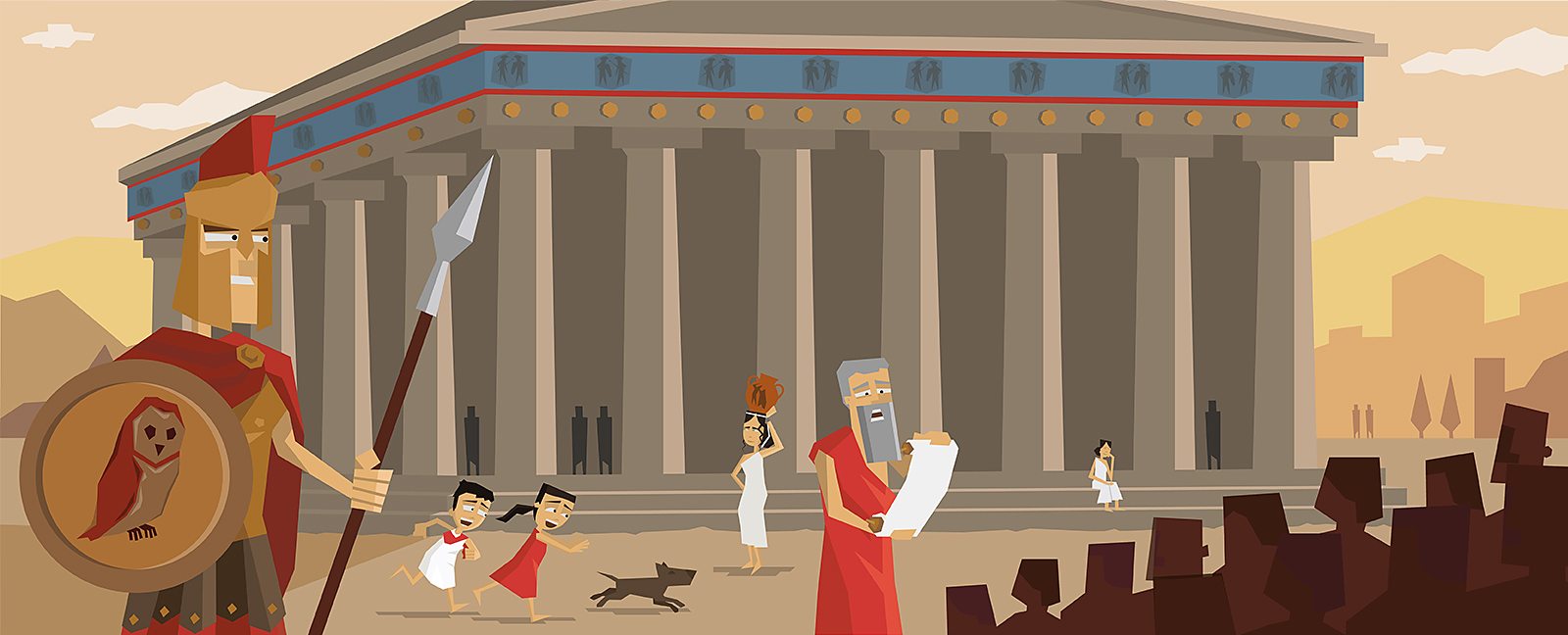
Video Warm-Up  The Ancient Greeks were known for their revolutionary politics and groundbreaking ways of thinking, and are called the fathers of Western civilization. But how much about them do you actually know? Watch the video below for a brief introduction. 


Who Were the Ancient Greeks?: Web Exploration  What's the story of early Greek history? How was ancient Greece ruled? What was it like living in ancient Greece? What did a typical ancient Greek family look like? What were Greek homes like? What food did people typically eat and drink? How did they dress? How did children play? You will discover the answers to these questions and many more during today's web exploration activity.  

Today you will be exploring BBC's Primary History Ancient Greeks website. You will focus on two areas: Who Were the Ancient Greeks? and What was it like to live in an ancient Greek Family? Explore both sections and use the assignment BBC Primary History: The Ancient Greeks Website Exploration, which can be found in your Social Studies Google Classroom, to record what you learn. 

Monday, May 7, 2018

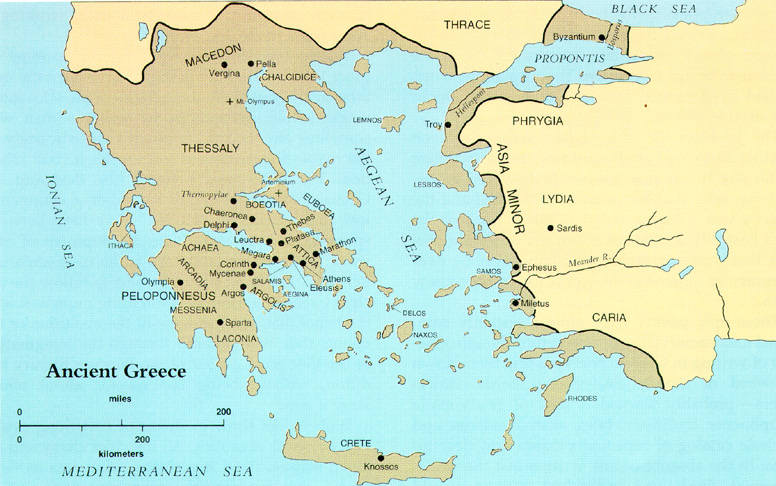
Mapping Ancient Greece


 Today's Learning Objective  Discuss the connections between geography and the development of city-states in the region of the Aegean Sea. 

Ancient Greece Map Project Greek civilization developed on dry, rocky lands surrounded by water. Most of Greece consists of a large peninsula, however the seas surrounding Greece also contain hundreds of small islands. Ancient Greece's unique geography made it a crossroads for travelers and traders who exchanged goods, ideas, and customs. Today you will have the opportunity to make a detailed map of Ancient Greece, featuring important regions, cities, bodies of water, islands, and other land forms. Map Instructions (Greece) have been placed in your Social Studies Google ClassroomThe assignment Map of Greece has also been placed in your Social Studies Google ClassroomA sample map is here. Additionally, to help you complete the project, a collection of maps of Ancient Greece from the British Museum can be found here. A detailed map of Ancient Greece has also been posted above and below. You are also welcome to conduct your own independent research to help in completing your map. 


Thursday, May 3, 2018

The Geography of Ancient Greece

 Today's Learning Objective  Discuss the connections between geography and the development of city-states in the region of the Aegean Sea. 


EDpuzzle: Geography and Early Greece Today you are going to interact with an EDpuzzle video about Ancient Greek geography and history. Please take out your headphones, login to EDpuzzle, and locate the video "Geography and Early Greece." Watch the video carefully and answer the questions along the way to the best of your ability. You will be graded on the quality and completeness of your responses. If you don't finish in class, please finish for homework.  

Wednesday, May 2, 2018

Goodbye Ancient China, Hello Ancient Greece


Flocabulary Ancient China Video and Review  To help us say goodbye while reviewing some of the key concepts we've learned during this unit, the good folks at Flocabulary have put together an interactive music video about ancient China. After we watch the video together, be prepared to help answer questions in order to demonstrate your understanding of ancient China. 

https://www.flocabulary.com/unit/ancient-china/video/

Introduction to the Geography of Ancient Greece  The geography of Ancient Greece is unlike that of any other civilization we have studied this year.Familiarize yourself with the Geography of Ancient Greece by exploring The British Museum's website here. Read the introduction, follow the story of Odysseus' travels to many fantastic lands, explore maps of Ancient Greece, and finally investigate an Ancient Greek shipwreck. If you do not get to fully explore the site in class today, please do so outside of class. 

Wednesday, April 25, 2018

The Han Dynasty and the Silk Road


 Today's Learning Objective  Detail the political contributions of the Han Dynasty to the development and expansion of the empire. 


Warm-Up: Ancient China Quiz  Show me what you've learned this past week about the Zhou Dynasty, the Warring States Period, Confucius, and Shi Huangdi and the Qin Dyansty by taking the online quiz here.  

The Han Dynasty: Jigsaw Reading Activity  Today we will be learning about the achievements of the Han, the dynasty that ends up replacing the Qin. However, due to limited time we are going to do a "jigsaw reading" of the passage about the Jigsaw Dynasty. Each group will be assigned one passage from the text, become experts on one particular topic, and then report out to the class about what they learned. You can find the Han Dynasty passage here. Please wait for your assignment before beginning to read.  

The Silk Road: EDpuzzle Video  One of the greatest achievements of the Han Dynasty was the innovation of the "Silk Road." Learn more about it by interacting with an EDpuzzle video today. After you log in, locate the video entitled "The Silk Road and Ancient Trade." Watch the video carefully and answer the five questions. What you don't finish in class becomes homework.  

Tuesday, April 24, 2018

What Does Confucius Say?

Chinese philosopher Confucius

 Today's Learning Objective  Identify the political and cultural problems prevalent in the time of Confucius and how he sought to solve them.


Confucius Warm-Up  Read about the life and work of Confucius, one of the world's most famous philosophers, here. The reading is also available in video form below. 


Next, head over to your Padlet wall (Period 3 and Period 5) and share one thing you learned about his life and one thing you learned about his ideas.

EDpuzzle Video: Confucius  Put your developing understanding of Confucius to the test by interacting with an EDpuzzle video about the famous Chinese philosopher. Login, watch the video "Confucius" carefully, and answer the five questions.

Thursday, April 19, 2018

The Incredibly True and Sometimes Strange Story of Shi Huangdi

Shi Huangdi, "First Emperor" 

 Today's Learning Objective  List the policies and achievements of the emperor Shi Huangdi in unifying northern China under the Qin Dynasty. 


Reading and Writing Warm-Up  Read about the life, achievements, and 'dark side' of ancient China's "First Emperor" Shi Huangdi here. Next, answer questions about what your read here.  

Video: 'First Emperor of China'  Today we will watch a short film about Shi Huangdi and his impact on China. Pay attention to several of the film's areas of focus: the dragon motif, Qin Dynasty warfare, Chinese writing, Qin's Code of Law, and the Great Wall of China. Take notes on how each of these subjects are depicted using the document First Emperor of China - Notes, which can be found in your Social Studies Google Classroom

Wednesday, April 18, 2018

Ancient China: The Zhou Dynasty and the Era Of the Warring States

Ancient China during the Warring States Period 


 Today's Learning Objective  Identify the political and cultural problems prevalent in the time of Confucius and how he sought to solve them.

Warm-Up Video  Watch the informative video below that a group of high school students made about today's topic of study:  the Zhou Dynasty and the Era of the Warring States. 


Cause and Effect:  The Zhou Dynasty and the Era Of the Warring States Cause is what makes something happen. Effect is what happens as a result. Practice identifying cause and effect while reading about the Zhou Dynasty and the Era of the Warring States using the assignment Cause and Effect: The Zhou Dynasty and the Warring States Era, which can be found in your Social Studies Google Classroom

Monday, April 16, 2018

Ancient China: The Mandate of Heaven


Warm Up Quiz  Show me what you learned about the Shang Dynasty by taking the quiz here.  

Crash Course Video: Ancient China  Let the team at Crash Course review and introduce some key ideas related to Ancient China.  Watch the video below.  


The Mandate of Heaven - InsertLearning Assignment  Learn about an important belief held by many in Ancient China regarding how the right to rule was determined by reading an online article about the the Mandate of Heaven InsertLearning style. I have embedded questions, videos, and vocabulary support to make your online reading experience more meaningful and interactive. You will also receive points for questions that you answer correctly. You can access the article from your Social Studies Google Classroom

Thursday, April 12, 2018

Ancient China: The Shang Dynasty Meets InsertLearning


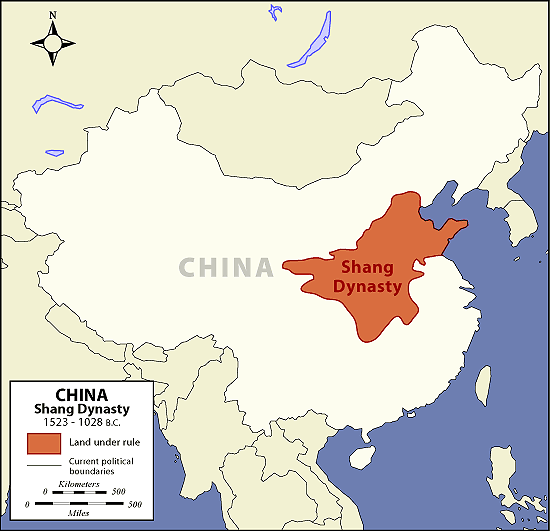
 Today's Learning Objective  Locate and describe the origins of Chinese civilization during the Shang Dynasty.  


Video Warm Up  Watch the video below and then write a response explaining the significance of the Shang Dynasty here.  


Getting Started with InsertLearning  Today we will be signing up for a new program called InsertLearning. InsertLearning lets you answer questions, see teacher notes, and take your own notes on any webpage. To get started, you first need to visit the Chrome Web Store and install the InsertLearning extension.  

Shang Dynasty InsertLearning Assignment  Today you will be reading an online article about the the Shang Dynasty InsertLearning style. I have embedded questions, videos, pictures, and vocabulary support to make your online reading experience more meaningful and interactive. You will also receive points for questions that you answer correctly. You can access the article at your Social Studies Google Classroom

Wednesday, April 11, 2018

The Dynasties of Ancient China


Warm-Up Quiz  It's time to show what you've learned about the 'Geography of China.' Take the quiz here.   

Video Introduction to Chinese Dynasties  Welcome to the amazing world of Ancient Chinese Dynasties! Watch the entertaining and informative video below and share your response here.   


Ancient China Dynasty Timeline  Today you will create a digital timeline featuring the earliest dynasties of Ancient China: the Neolithic Era (Xia Dynasty), Shang Dynasty, Chou (Zhou) Dynasty, Ch'in (Qin) Dynasty, and Han Dynasty. In addition to labeling each dynasty, your timeline should include the years of their reign and an image representing each dynasty. You can find the assignment Ancient China Dynasty Timeline in your Social Studies Google Classroom, which includes an example of how to complete your timeline. You can find images and information about ancient Chinese dynasties here and here.

Wednesday, March 28, 2018

Mapping China


Today's Learning Objective 
  Explain the geographic features of China that made governance and the spread of ideas and good difficult and served to isolate the country from the rest of the world.


Video Warm-Up  Get oriented with China's geography by watching the guided Google Earth tour of China below. What observations can you make?  


Ancient China Map Project  Today you will begin creating an informative digital map of China and labeling it with essential components of its geography. China Map Directions and a blank template for the China Map assignment can be found in your Social Studies Google Classroom. There are a multitude of resources you can use to help in labeling your map. An online student atlas can be found here. A physical map of China can be found here. And a political map of China can be found here. ThChina Map will be due Friday, April 13

Tuesday, March 27, 2018

Welcome to Ancient China


 Today's Learning Objective   Analyze the geographic, political, economic, religious, and social structures of the early civilizations of China.


Video Warm-Up  Welcome to Ancient China! Watch the China introductory video below and make observations about the geography and culture of China. Share your observations here.  


Ancient China Webquest  Get oriented with some of the things you'll be learning about during our unit on ancient China by starting to explore the Ancient China Webquest, which you can find in your Social Studies Google Classroom. Follow the links, research the questions, and record your answers using the document. We will work on this throughout the week.  

Thursday, March 8, 2018

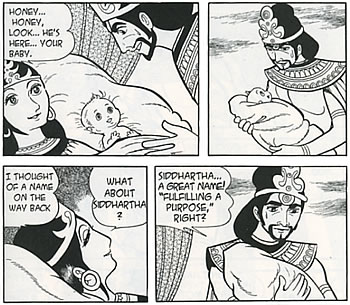
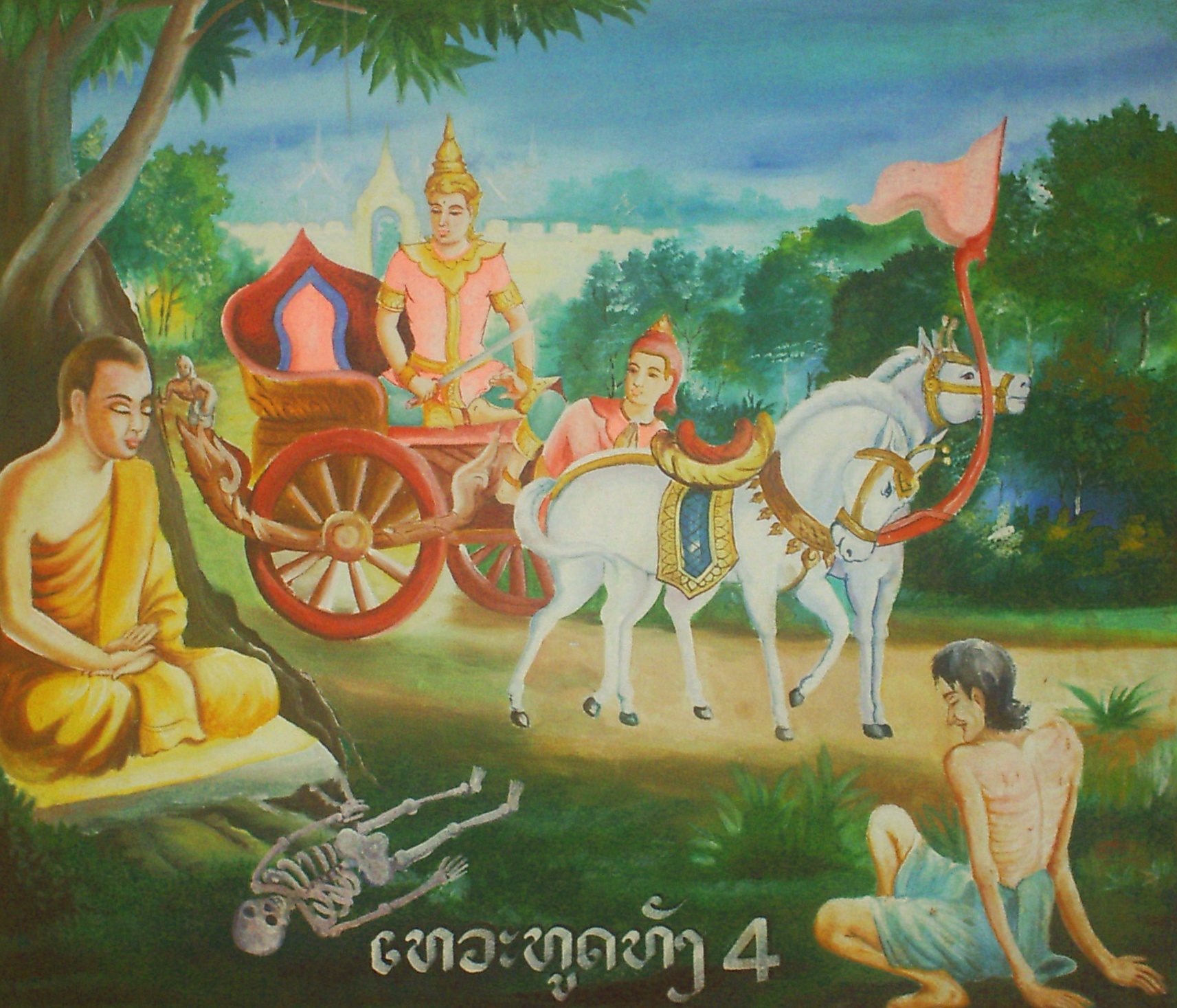
The Life of Buddha Comic Strip Project

Can you demonstrate what you have learned about the story of Siddhartha Gautama (The Buddha) 
by encapsulating his life in a comic strip, like famed cartoonist and animator Osamu Tezuka did above?

Today's Learning Objective  Know the life and moral teachings of the Buddha. 

Introducing the Comic Strip  Many of you are familiar with comics and comic books, which generally feature a story told a series of panels which include illustrations and dialogue. See an example of the classic "Garfield" comic strip below.


The Life Buddha Comic Strip Project  Today you will begin working on creating a comic strip of focused on the Buddha, as a way of demonstrating what you have learned so far about his life and teachings. Before you can begin working on your comic strip, however, you must complete your Buddha Comic Strip Story Board, which is located in your Social Studies Google Classroom. Once you have your comic planned out, you can begin drawing and designing one in the classic style using paper and colored pencils and markers.

The Life of Buddha Comic Strip Rubric (which can also be found in your Social Studies Google Classroom) explains the various criteria you must meet in order for your comic to be considered 'Proficient' work. 

Below you can find an example panel of a student who made his comic by hand.

An example of a hand-drawn comic strip panel.

Thursday, March 1, 2018

The Origins of Buddhism: The Life of Buddha


 Today's Learning Objective  Know the life and moral teachings of the Buddha. 

The Life of Buddha: Examining Multiple Sources  Today we will read about the life of Siddhartha Gautama (The Buddha) and how Buddhism came to be. We will read excerpts about the life of the Buddha included in the Interactive Reading Guide of our Ancient Civilizations textbook below. We will also be watching recreations of parts of Buddha's life story featured in the the movies The Buddha and Little Buddha. Ultimately, our goal is to synthesize these three tellings of Buddha's life using the document Important Events in the Life of Siddhartha Gautama (The Buddha)


Wednesday, February 28, 2018

Assessing Hinduism


 Today's Learning Objectives  * Explain the major beliefs and practice of the religion of Hinduism. * Determine a central idea of a text and how it is conveyed through particular details.


Assessment: Hinduism Quiz  Today you will be taking a short quiz to demonstrate some of what you have learned so far about the religion of Hinduism. The quiz consists of five multiple choice questions and one short answer paragraph. You can find it here. You are allowed to utilize your Hinduism Study Guide (A Central Idea and Its Parts) notes during the quiz.

Determining the Central Idea of the Hinduism Unit  Over the course of the last several weeks as we have studied Hinduism, you have utilized the document Hinduism Study Guide (A Central Idea and Its Parts). You have taken notes on the parts, the details, and the various elements of Hinduism, while the leaving the 'Central Idea' section blank. What I want you to do today is to review your notes about the various elements of Hinduism in order to determine what is the larger, more central idea about Hinduism they work together to convey. Write a central idea statement about the religion of Hinduism based on the notes you have taken. 

Tuesday, February 27, 2018

The Beliefs of Hinduism: Reincarnation and Karma


 Today's Learning Objective  Explain the major beliefs and practice of the religion of Hinduism.  


The Beliefs of Hinduism: Reincarnation and Karma  Today we continue learning about some of the core beliefs Hinduism, while using our Hinduism Study Guide (A Central Idea and Its Parts) document to take notes. Our focus today is on the beliefs of reincarnation and karma. First, we will read excerpts from our Social Studies textbook Ancient Civilizations below. Then we will watch two different videos about Hindu religious beliefs. Remember to keep track of your various sources on your study guide.  


Now we will watch the video "The Hindu Belief System Dharma, Karma, and Moksha" below.


Finally, we will end today's lesson by watching Crash Course's take on some of the core beliefs of Hinduism. 

Friday, February 23, 2018

CNN Student News and The Week in Rap: Academic Conversations


Academic Conversation Topic: What do you think some of the solutions to school shootings should be? 


Academic Conversation Topic: What reasons do you think a foreign government might have for meddling or interfering in another country’s election?


Academic Conversation Topic: Why is diversity in the media important? Who would you like to see represented more frequently?


To help you dig deeper in your academic conversation refer to the poster below:

Thursday, February 22, 2018

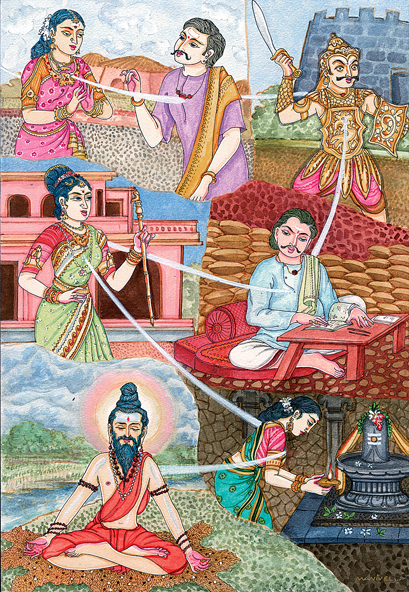
The Basic Beliefs of Hinduism: The Four Goals of Life

Living a moral life, known as dharma, is one of the goals of life for Hindus.


 Today's Learning Objective  Explain the major beliefs and practice of the religion of Hinduism. 


The Basic Beliefs of Hinduism: The Four Goals of Life  Today we will continue our study of the religion of Hinduism, while using our Hinduism Study Guide (A Central Idea and Its Parts) document to take notes. Our focus today is on learning about the "Four Goals of Life" for Hindus. We will read excerpts from our Social Studies textbook Ancient Civilizations below. 


Homework  Continue working on your Hinduism Study Guide (A Central Idea and Its Parts) document. 

Wednesday, February 21, 2018

Introduction to Hinduism

Hindu goddesses Saraswati (left) and Lakshmi (center), and the elephant-headed god Ganesh


 Today's Learning Objective  Explain the major beliefs and practice of the religion of Hinduism. 


An Introduction to Hinduism  Today we begin to learn about Hinduism, one of the oldest religions in the world. For more than 2,500 years, Hinduism has been the major religion of India. Over the course of the next couple of weeks, we will learn about and examine Hinduism from multiple sources and perspectives. As you learn about this fascinating and complex religion, I am going to ask you keep track of relevant facts and information you discover using the document Hinduism Study Guide (A Central Idea and Its Parts) (which can be found in your Social Studies Google Classroom). Please use the Study Guide to also make note of your sources of information.

Our first source will be the video "Introduction to Hinduism" featured below. As you watch, make note of the information you learn that you believe is most essential to understanding the religion. 


Hinduism: Sacred Texts and Belief in God(s)  We will now read an excerpt (below) from your Social Studies textbook Ancient Civilizations focused on some of the sacred texts of Hinduism and two of its core beliefs. Continue to make note of what you learn using your Hinduism Study Guide.