Thursday, August 31, 2017
Hunter-Gatherer Societies: Guided Reading
Tuesday, August 29, 2017
Monday, August 28, 2017
Hunter-Gatherer Societies
Today's Learning Objective * Describe the hunter-gatherer societies, including the development of tools and the use of fire.
Writing Warm-Up What do you expect to happen as early human groups continue to evolve, develop bigger brains, and become more intelligent? How might their way of life change? Share your response to the question within your Social Studies Google Classroom. Write your own response to the question and write at least one reply to one of your classmates.
Hunter-Gatherer Societies: Vocabulary Study and Guided Reading Today we are going to be learning about early human hunter-gather societies. We will be mastering key vocabulary using the Cognitive Content Dictionary in your Social Studies folders, as well as doing some guided reading using the text below. The document Hunter-Gatherer Societies - Cognitive Content Dictionary can be found in your Social Studies Google Classroom (and the text can also be accessed on pages 12 and 13 of your Ancient Civilizations textbooks).
Homework Continue working on the Hunter-Gatherer Societies - Cognitive Content Dictionary, which should be completed and 'turned in' by Friday, September 1.
Friday, August 25, 2017
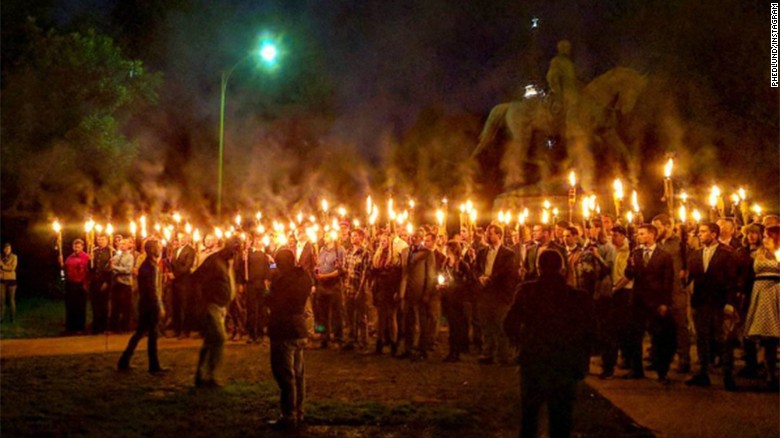
Early Human Ancestors and the Focus on Confederate Monuments
| Today we will examine recent events in Charlottesville, Virginia, as well as the history and fate of of Confederate statues. |
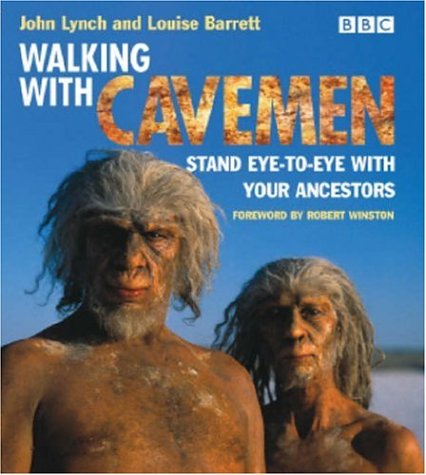
Video: Walking with Cavemen Today we are going to continue to learn more about 'Lucy,' whose scientific name is australopithecus afarensis. As we continue to watch the beginning of the series Walking with Cavemen, you will add notes about what you learn about this early hominid (human-like) species using the document Walking with Cavemen (Part 1) - Study Guide which you can find in your Social Studies Google Classroom.
Wednesday, August 23, 2017
Walking with Lucy
Today's Learning Objective * Learn about the physical and social development of early humans through archaeological discoveries.
Archaeology in Action: Discovering 'Lucy' Read about archaeologist Donald Johanson's remarkable discovery of 'Lucy,' one of our earliest human ancestors, below, and then watch the video as Johanson himself explains the significance of this discovery.
Video: Walking with Cavemen Today we are going to learn more about 'Lucy,' whose scientific name is australopithecus afarensis. As we watch the beginning of the series Walking with Cavemen, you will take notes about what you learn about this early hominid (human-like) species using the document Walking with Cavemen (Part 1) - Study Guide which you can find in your Social Studies Google Classroom.
Monday, August 21, 2017
Studying the Distant Past (Day 2)
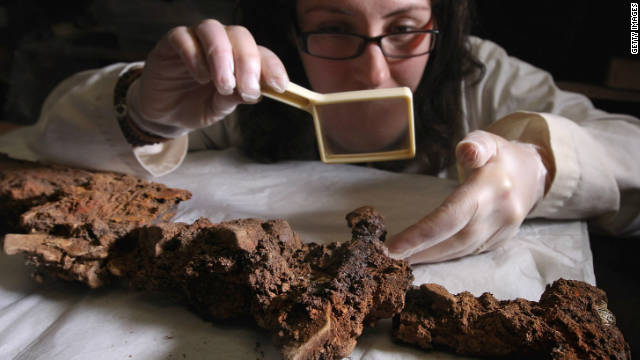
Video: What is Archaeology? To begin today let's learn more about the job of an archaeologist by watching the short video below. Then let's read "Clues to the Past" to learn about what archaeologists study to learn about the past.
Guided Reading: Studying the Distant Past Next, we are going to read excerpts from your text book related to how archaeologists study the origins of humankind. As we read together and in small groups, I would like you to recognize the text features that the textbook utilizes to organize information and help you find what you need. Notice, for example, how the textbook uses boldface blue type to point out new words, as well as larger type to show titles. Additionally, special information appears alongside the main text.

Homework Remember to complete and 'turn in' your Studying the Distant Past - Cognitive Content Dictionary by this Friday, August 25 in order to receive full credit.
Friday, August 18, 2017
Studying the Distant Past and the Week in Rap

Group Discussion: How do we know what happened in the distant past? The time before written records is called prehistory. If no one wrote things down long ago, how do we know what happened in the distant past? What sort of things might historians and scientists examine in order to understand what happened in ancient history? Discuss your ideas with the members of your group and be prepared to share with the class.
Is there anything that fictional archaeologist Indiana Jones can teach us about how we study and understand the distant past?
Using your CCD you will think about what you already know about the word, include a definition and image, and finally use the word in a sentence.
Homework Complete and turn in your Studying the Distant Past - Cognitive Content Dictionary by this Friday, August 25 in order to receive full credit.
Thursday, August 17, 2017
Rights and Responsibilities and Why We Study History
Student Rights and Responsibilities As citizens and as members of this classroom community we have both rights and responsibilities. For example, we have the right to learn but we also have a responsibility to work hard. What do you you think some of our classroom rights and responsibilities should be? Today we will brainstorm together and add to the list of rights and responsibilities below.
We the students have
- the right to learn.
- the right to feel safe.
- the right to be treated with dignity and respect.
- the right to have our voices heard.
We the students have a responsibility
- to be ready to learn.
- to do our best work.
- to treat each other and our teachers with mutual respect.
- to listen attentively.
- to work together cooperatively.
Why Study History? In our Social Studies course this year part of our focus will be on studying early human history and ancient civilizations. But why? Why should we care about happened thousands or even millions of years ago? Why does what happened in the past matter to us now? Why do we study history in general and why should we care? Turn to the members of your table group and have a discussion about why you think it is important to study and understand what happened in the distant past. Discuss why you think learning and appreciating history is worth our time.
Next, let's watch a couple of videos that will help us further understand why knowing history is important.
Wednesday, August 16, 2017
Classroom Procedures and Community Building

Classroom Procedures and Expectations Let's talk a little bit today about some of my classroom procedures and expectations.
Back-To-School Scavenger Hunt Let's continue to get to know each other. For each question on the Scavenger Hunt worksheet find someone in class who shares that attribute and have them sign the answer blank for that question, as well as provide additional information. Don't have the same person sign for each question. Avoid talking to people you already know. Be brave and meet new people! We are all in this together!
Subscribe to:
Posts (Atom)
-
Hammurabi's Code Reflection Last week we studied acnient Mesopotamian emperor Hammurabi who was responsible for one of the world...
-
Chinese philosopher Confucius Warm Up Read about the life and work Confucius, of one of the world's most famous philosophers, her...
-
Zahra and Ali from "Children of Heaven" Building Background: Iran and Muslim Stereotypes Last week, students in Ms. Rain...