Tuesday, February 13, 2018

Examining the Caste System and Caste System Discrimination


Examining the Caste System  Today we will continue to examine the caste system by reading an excerpt from our Social Studies text and viewing videos from several different sources. Continue to take notes using the Caste System - Study Guide from yesterday. 

Begin by reading an excerpt from our Social Studies textbook below with the members of your team. According to this source, what are some costs and benefits of the caste system?

Now you will a few videos related to India's caste system. What do these videos add to your understanding of the caste system? Do you find the system unfair? Why or why not? Add your thoughts to the Caste System - Study Guide


Examining Caste System Discrimination  We will now continue to examine the caste system from multiple perspectives, as we take a more critical look at this institution and explorwhat is known as caste system discrimination. You will continue to take notes about what you learn and think using the Caste System - Study Guide

Watch the videos below, which shines light at the plight of the untouchables and the existence of caste system discrimination.


More information about caste discrimination from the International Dalit Solidarity Network can be found below.


Friday, February 9, 2018

India's Vedic Age and the Caste System


Today's Focus Question  What impact did the Aryans have on ancient and modern India?


India's Vedic Age: Guided Reading  Today we are going to continue to learn about the impact the Aryans had on ancient and modern India. We will read about what their lives were like and some of their early religious beliefs (which would later become part of the foundation of the religion of Hinduism). Specifically, we will try to understand the Varna system (which the caste system evolved from). As you read and learn about the caste system from multiple sources, you will take notes using the Caste System - Study Guide (which can be found in your Social Studies Google Classroom).  


Videos: The Caste System and the Untouchables  While the caste system has changed and evolved since the days of the Indo-Aryans, it is still an established part of Indian society today. In the videos below, pay special attention to the role and treatment of Dalits (the modern name for untouchables). Continue to use your Caste System - Study Guide to take notes.   


Thursday, February 8, 2018

India's Vedic Age: Vocabulary Study

Early Indo-Aryan charioteers


 Today's Focus Question  What impact did the Aryans have on ancient and modern India?


India's Vedic Age: Vocabulary Study  Today we are continuing to learn about the early civilizations of India, though our focus shifts to a group of people known as the Indo-Aryans who lived during a time known as India's Vedic Age. We will begin by studying some of the key vocabulary related this topic, using the document India's Vedic Age - Cognitive Content Dictionary, which can be found in your Social Studies Google ClassroomWe will be using an excerpt from our Social Studies textbook can also be found in your Social Studies Google Classroom (and which you can find here as well), to help us understand the lesson's key words and concepts. Some images have also been posted below to help you conceptualize these new terms.

The Vedas are considered to be very sacred to the Hindu people. 

Your caste is a group you are born into.


India's untouchables often did the dirty jobs that no one else would do.

Wednesday, February 7, 2018

Edpuzzle Video Assessment: The Indus Valley


Edpuzzle Video Assessment: The Indus Valley  Today you will demonstrate some of what you've learned about the Indus Valley Civilization by completing a mini-video assessment through EDpuzzle. After the clicking the link, click "Login," "Student," and then "Sign in with Google."

Once you're logged in, locate the Social Studies video "Indus Valley Civilization: Crash Course." This is the same video we watched as a class yesterday and will cover some of the same things you have been learning about this week. If you have headphones, use them. As the video progresses, it will stop periodically and ask you a question. You must answer the question in order to proceed. Your score on this activity will count towards your assessment grade in this class. If you don't finish your EDpuzzle in class today, please complete it by Friday, February 9. Good luck!

Tuesday, February 6, 2018

The Indus Valley Civilization: Guided Reading and Video


 Today's Focus Question  How did people live in the first Indus Valley civilization?


The Indus Valley Civilization: "Into" Video Civilization  Before we read about the Indus Valley Civilization, we are going to watch a short computer-generated video that I think will help you better visualize what life may have been like for people living during this time. 


The Indus Valley Civilization: Interactive Website and Cloze Reading Activity  Today you are going to have an opportunity to explore an interactive and engaging website about the Indus Valley civilization and its people. The site hosted by the BBC can be found here. As you can see by the image below the site is organized into several different categories of information. As you explore each one, I want you to take notes using the Indus Valley Civilization - Cloze Reading Activity, which can be found in your Social Studies Google Classroom. Make sure to fill in the blanks with the pertinent information. 

Below you can also find a series of images to better help you understand the geography and economy of the Indus Valley civilization and the daily lives of its people.

Like the Nile River Valley, the Indus Valley was surrounded by desert and
included a river flooded each year, bringing forth rich soil and the threat of floods.
Indus Valley cities were well organized, which must have been the result of central planning.
Indus Valley homes included a bathroom, a toilet, a sewage system, and a trash chute.
The Indus Valley economy was based on farming and trade. Traders imported and exported a variety of goods.
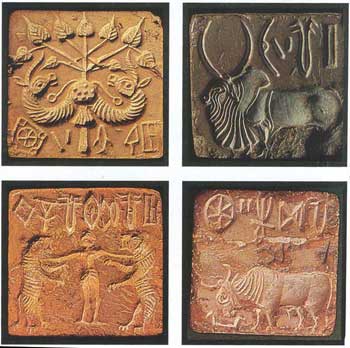
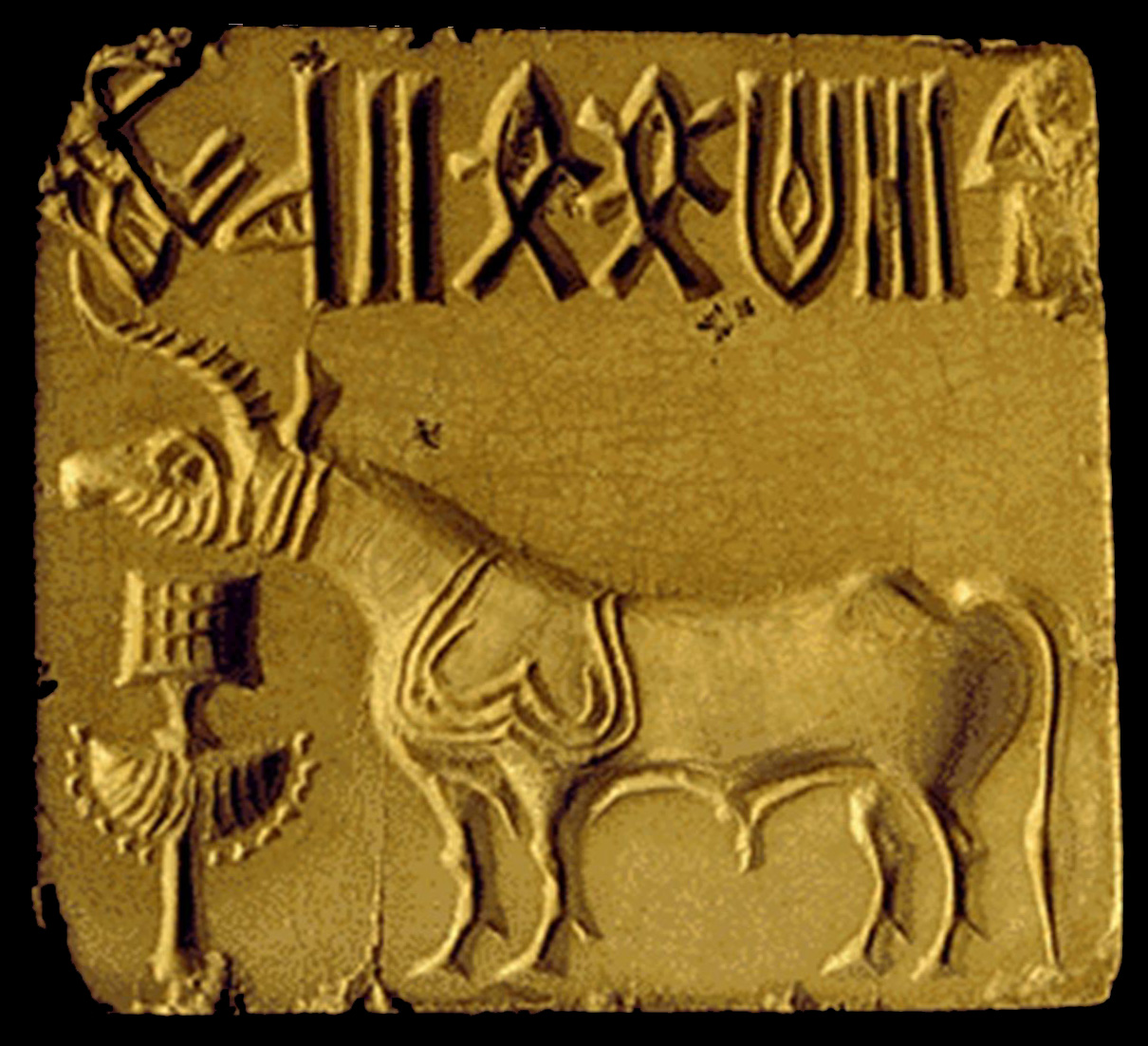
Little is known about the writing system of the Indus Valley civilization.
Scholars have not been able to read the symbols found on stone seals and pottery. 

Crash Course Video: The Indus Valley Civilization  Finally, let's get the Crash Course take on the Indus Valley Civilization. Watch the video carefully because it will be used tomorrow as part of an EDpuzzle assessment. 


Monday, February 5, 2018

Ancient India: The Indus Valley Civilization

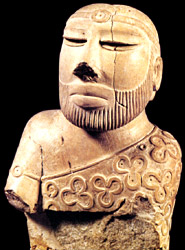
One of the few surviving artifacts depicting what people of the Indus Valley may have looked like.

 Today's Focus Question  How did people live in the first Indus Valley civilization?


The Indus Valley Civilization: Vocabulary Study  Today we will begin learning about the Indus Valley civilization of ancient India by studying some of the key vocabulary related to this remarkable civilization, using the document The Indus Valley Civilization - Cognitive Content Dictionary, which can be found in your Social Studies Google ClassroomWe will be using an excerpt from our Social Studies textbook, which has  also been placed in your Social Studies Google Classroom (and which you can find here), to help us understand the lesson's key words and concepts. Some images have also been posted below to help you conceptualize these new terms.

Young kids rely on their parents.
The organization of Indus Valley cities is clear evidence of central planning.
Food surpluses were stored in the granary
We import a lot of goods from China.
U.S. exports are being shipped to foreign nations. 
Buildings can collapse.
Civilizations can collapse too.

Friday, February 2, 2018

The Week in Rap: Academic Conversation


Academic Conversation Topic: Do you think Humanity Star is art or pollution? Why?


Academic Conversation Topic: Why do you think some people have a problem with how long Vladimir Putin has been in power? 


Academic Conversation Topic: What do you think are the most important issues facing the United States right now?


Academic Conversation Topic: Do you think the Indians should change their team name? Why or why not?


To help you dig deeper in your academic conversation refer to the poster below: