Monday, February 5, 2018

Ancient India: The Indus Valley Civilization

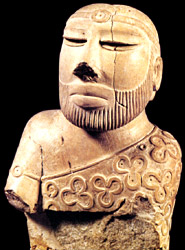
One of the few surviving artifacts depicting what people of the Indus Valley may have looked like.

 Today's Focus Question  How did people live in the first Indus Valley civilization?


The Indus Valley Civilization: Vocabulary Study  Today we will begin learning about the Indus Valley civilization of ancient India by studying some of the key vocabulary related to this remarkable civilization, using the document The Indus Valley Civilization - Cognitive Content Dictionary, which can be found in your Social Studies Google ClassroomWe will be using an excerpt from our Social Studies textbook, which has  also been placed in your Social Studies Google Classroom (and which you can find here), to help us understand the lesson's key words and concepts. Some images have also been posted below to help you conceptualize these new terms.

Young kids rely on their parents.
The organization of Indus Valley cities is clear evidence of central planning.
Food surpluses were stored in the granary
We import a lot of goods from China.
U.S. exports are being shipped to foreign nations. 
Buildings can collapse.
Civilizations can collapse too.

Friday, February 2, 2018

The Week in Rap: Academic Conversation


Academic Conversation Topic: Do you think Humanity Star is art or pollution? Why?


Academic Conversation Topic: Why do you think some people have a problem with how long Vladimir Putin has been in power? 


Academic Conversation Topic: What do you think are the most important issues facing the United States right now?


Academic Conversation Topic: Do you think the Indians should change their team name? Why or why not?


To help you dig deeper in your academic conversation refer to the poster below:


Friday, January 26, 2018

The Week in Rap - Academic Conversation

After watching the "Week in Rap" today be prepared
to engage in academic conversations with your teammates. 


Academic Conversation Topic: Why do you think people protest? Do you think marches and protests have the power to bring about change? Why or why not? 


To help you dig deeper in your academic conversation refer to the poster below:


Tuesday, January 23, 2018

Ancient India: Mapping the Geography of South Asia


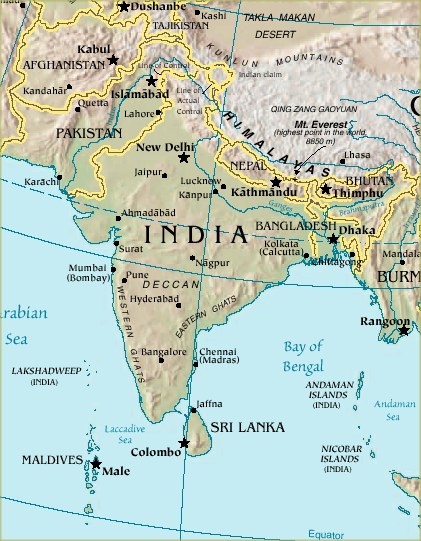
Mapping Activity: The Geography of South Asia Today you will demonstrate what you have learned about the land, important places, and geographic features in and around the Indian subcontinent, by labeling a blank image of the region (similar to the one featured above). In your Social Studies Google Classroom you can find the assignment Map of South Asia. Directions for how to complete the activity are included with the assignment. 

You may utilize various resources to help you complete the activity. The maps below, featured in our Social Studies textbooks and found online, I find particularly helpful. 


This mapping activity builds upon content that we have studied in class and serves as one way to demonstrate what you have learned about the geography of ancient India and South Asia. Therefore, it will count towards your Social Studies assessment grade. This assignment will be due on Friday, February 26.
Monday, January 22, 2018

Ancient India: The Geography of South Asia (Guided Reading)


 Today's Focus Question  How did geography affect life in India?


Video: Geography and Climate of India  Watch the short video below about the geography and climate of India below and then be prepared to share something you learned today.


The Geography of South Asia: Guided Reading and Notetaking  Today we will continue to learn about the geography and climate of South Asia. You will be taking notes on these important ideas using the The Geography of South Asia - Notetaking Study Guide. You have two different sources available to locate pertinent information. You may utilize the relevant section of your Social Studies textbook here, and/or you may reference the excerpt from your Social Studies workbook below. 

The Indian subcontinent and surroundings.
The Hindu Kush mountains blocked South Asia from the north.
The Himalaya mountain range is a natural barrier that cut off South Asia from China.
The first Indian civilizations began in the Indus River valley.
The Ganges River is another important river in India.

The rains brought by the summer monsoons bring relief from the baking heat. 
Farming in Asia depended on the monsoon rains.
In the winter, dry winds blow from the land to the sea. In the summer, wet winds blow from the oceans onto the land.

Friday, January 19, 2018

The Week in Rap - Academic Conversations

After watching the "Week in Rap" today be prepared
to engage in academic conversations with your teammates. 

Academic Conversation # 1: How do you think the Winter Olympics could change in the planet continues to heat up? 


Academic Conversation #2: Do you think Facebook's new change to its news feed will encourage more meaningful interactions? Why or why not?  


Academic Conversation #3: How do you think this technology could change the way we use our phones to interact with the world?  Is this for the better? Why or why not?  


To help you dig deeper in your academic conversation refer to the poster below:


Thursday, January 18, 2018

Ancient India: The Geography of South Asia

The Indian Subcontinent 

 Today's Focus Question  How did the geography affect life in India?


Introduction to the Geography of South Asia: Writing Warm-Up  Study the image above. What do you see? What do you notice about the geography of this part of the world? What geologic features are apparent? What do imagine the climate  to be like there? Share your observations on the Google Form here

The Geography of South Asia: Vocabulary Study  Today we start a new unit on the early civilizations of India. We will begin by learning about the geography of this part of the world, and today we will specifically study some of the key vocabulary related is geography, using the document The Geography of South Asia - Cognitive Content Dictionary, which can be found in your Social Studies Google ClassroomWe will be using an excerpt from our Social Studies textbook, which has been placed in your Social Studies Google Classroom as well (and which you can also find here), to help us understand the lesson's key words and concepts. Some images have also been posted below to help you conceptualize these new terms.
  
The Indian subcontinent is very large.
The Himalaya mountains are a natural barrier separating India from China.
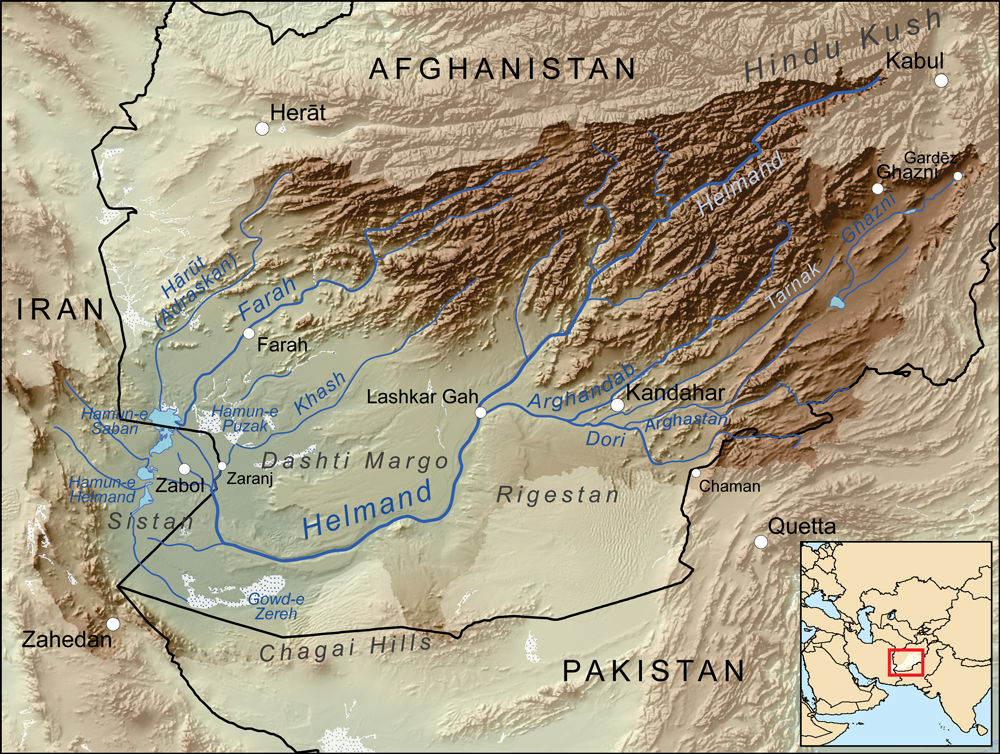
The blue lines represent the Indus river system.
Watsonville is home to a lot of fertile land.
Monsoons bring wet winds in the summer and dry winds in the winter.