Friday, November 13, 2015

CNN Student News and Project Showcase


CNN Student News and Current Event Mapping  As we watch CNN Student News today, identify one or two news stories that you can pinpoint geographically and place on the Current Event layer of your Social Studies World Map via Google Maps. 

Sinjar, Iraq; Beirut, Lebanon; and Lima, Peru were all featured in today's segment. After pinning at least one of these places on your map, consider the most important question: What happened here? You should include a title for the event, the date(s) the event took place, a brief summary of what happened, and include an appropriate photo or video.

'Journey to the Afterlife Instruction Manual' Project Turn-In  After nearly a week of work, it's time to 'turn in' your Journey to the Afterlife Instruction Manual project. Please provide the URL to your project and answer a few questions using the Google Form here

Project Showcase  Let's check out a few of the best Journey to the Afterlife Instruction Manual projects showcased below.


Thursday, November 12, 2015

Student Surveys

7th Grade Social Studies Surveys  Before we continue our lesson from Tuesday on a 'People's History of Ancient Egypt,' we will first participate in a pair of surveys created by students in Ms. Rainey's 7th grade Social Studies class. You can find a link to the student-designed activities on Ms. Rainey's Blog here

Homework  Complete your Afterlife Instruction Manual. This project is due on tomorrow, Friday, November 13.

Tuesday, November 10, 2015

A People's History of Ancient Egypt


Warm-Up: Afterlife Instruction Manual Project  I'd like to begin today by giving you 10-15 minutes to work on your Afterlife Instruction Manual. This will be your last opportunity this week to work on this project in class. Don't forget that this project will be due this Friday, November 13.

How Ancient Egyptians Lived  With our overwhelming focus on the Egyptian pharaohs, their power and responsibilities, their individual personalities, their grand building projects, and their singular quest for immortality, we unfortunately tend to forget about the lives of the everyday people that made up this civilization. We shouldn't do that and we won't do that. As interesting as the life of Ramses II was, so too were the lives of the people that stood under him in Egypt's social class structure. 


And don't forget, without the labor of the working men and women of ancient Egypt, the pharaoh's power and authority would crumble. Today let's focus on some of their lives. 

Let's begin by reading an excerpt from your textbook below, which examines what life was like for some ordinary Egyptians. 


Think critically. Do you think the description above was representative of the lives of all "ordinary" Egyptians? Do you think all Egyptians were privilege to "festivals and banquets" and "wore eye paint and wigs"? Whose story is being left out? Are we receiving a comprehensive portrait of life in ancient Egypt or just a slice? What responsibility does our textbook have to truthfully tell the story of the lives of all members of Egyptian society?  

Comparing the Life of an Egyptian Nobleman with the Life of an Egyptian Farmer Noticeably absent from the textbook's description of the lives of ordinary Egyptians is a representation of the lives of Egyptian farmers, whose labor the entirety of Egyptian society was built upon. Without the work of farmers, there is not ancient Egypt  

Let's try to remedy that by taking a look at what the lives of Egyptian farmers may have been like and how their lives compare to those members of the wealthier classes. Explore the British Museum's take on life in ancient Egypt here, and then read side-by-side story here, which compares the life of wealthy ancient Egyptian nobleman's family with that of a farming family.  

Homework  Complete your Afterlife Instruction Manual. This project is due on Friday, November 13.

Thursday, November 5, 2015

Ancient Egypt Project: An Instruction Manual for Journeying to the Afterlife


Project Overview  For the past week, we have studied ancient Egyptian religious beliefs, specifically as they relate to death and the afterlife. It's now time to demonstrate what you've learned. Rather than take a test or write an essay, your assessment will come in the form of a  project. Specifically, you will be creating an instruction manual

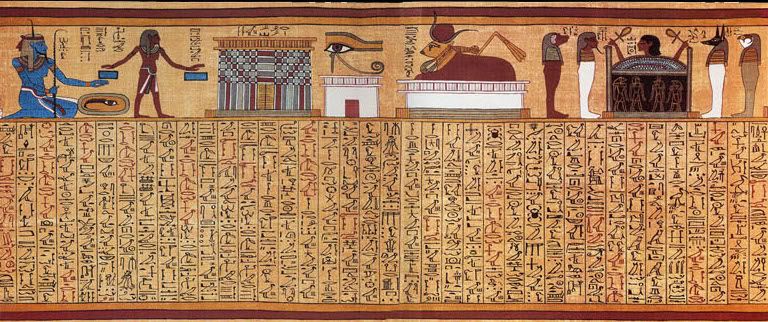
Imagine that the pharaoh of Egypt has come to you requesting your advice and wisdom on how he or she can gain entry to the afterlife. The pharaoh wants specifics. "What exactly do I need to do?" he or she asks. You decide the most effective way to communicate the specifics on everything from mummy and tomb preparation, to navigating the underworld, to what to expect at the Hall of Two Truths, is to create an instruction manual.  
   
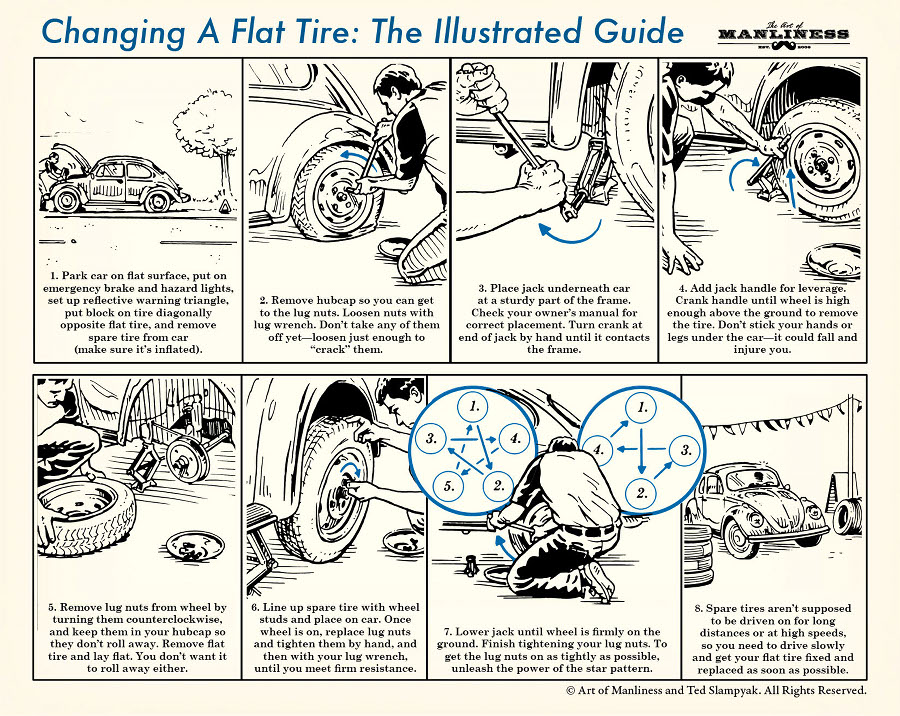
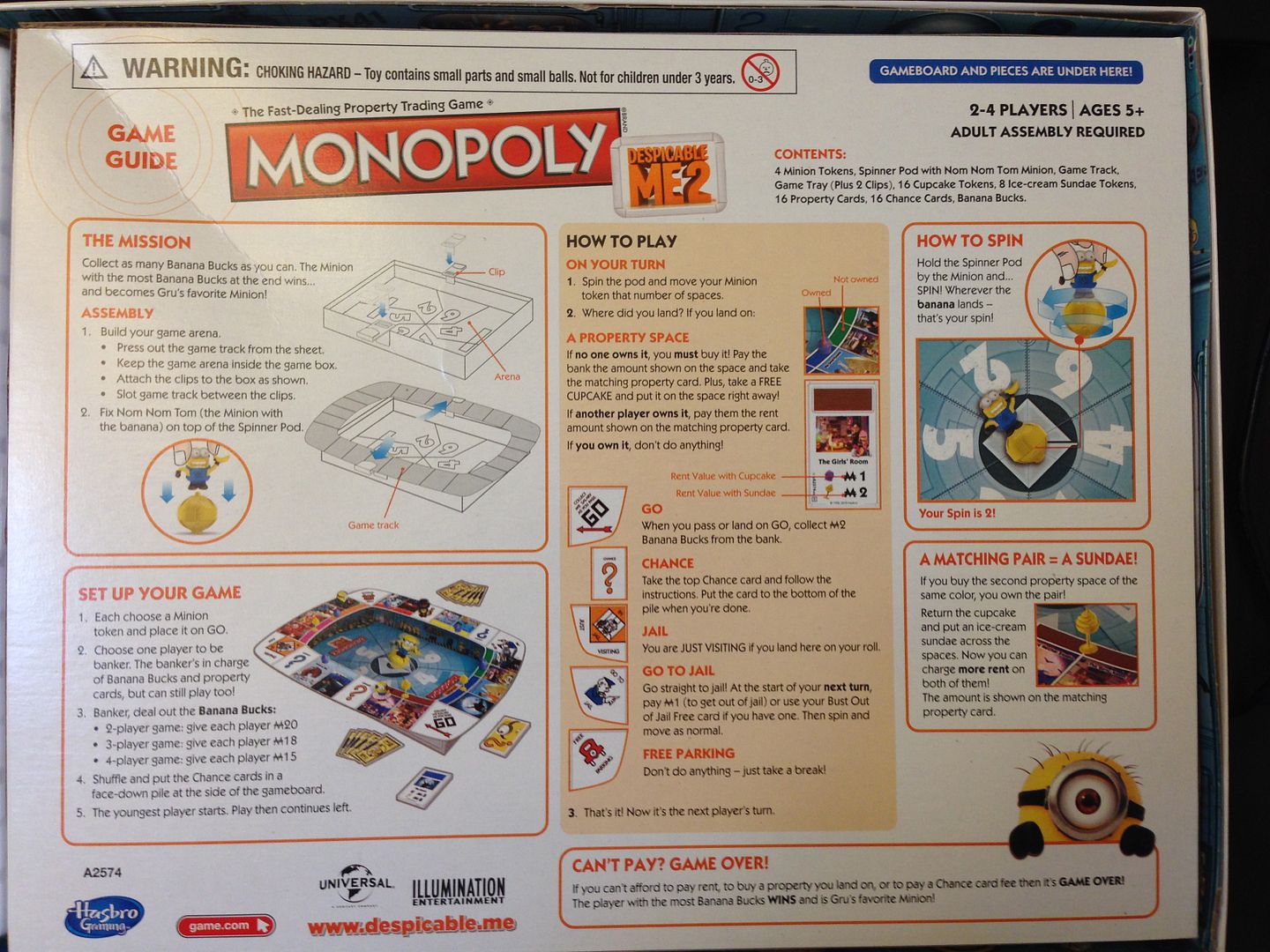
Examples of Instruction Manuals  The purpose of an instruction manual is to educate its user about how to do something. There are instruction manuals for just about everything, from how to build something to how to fix something to how to play a game. 

An effective instruction manual probably includes: Instructions presented as step-by-step procedures, simple concise language, and visuals to make it easier to understand. 

Below are few different examples of various types of instruction manuals. 


Project Guidelines  You will now begin constructing your own instruction manual with the purpose of educating a pharaoh about how to gain entry into the afterlife. You may choose to produce your instruction manual using any of the various Google tools available in your Drive, such as a Google Document, Google Presentation, or Google Drawing. (If you choose you may use a simple Google Drawing template I made, which can be found here.) 

Other Instruction Manual Project Guidelines
  1. You must include a title (e.g., A Guide to the Afterlife). 
  2. You must include information about the following topics: preparing the tomb, preparing the body, the journey through the underworld, the Hall of Two Truths, the final judgement, and the afterlife.
  3. Information should be presented in a step-by-step format and use either numbers or transition words to make clear each step. 
  4. You should write clearly and concisely, use your own words, and use second-person pronouns (e.g, you and your).  
  5. You should include at least one visual, image, or illustration with each step.   
This project will be due next Friday, November 13.

Homework  Complete your Journey to the Afterlife - Study Guide and Journey to the Afterlife - Cognitive Content Dictionary. Both are due: Tomorrow, Friday, November 6.

Wednesday, November 4, 2015

Life and Death in Ancient Egypt: Journey to the Afterlife (Day 3)


 Lesson Focus Question   What was the role of religion in ancient Egypt?

Journey to the Afterlife: Video Selections  Today we will continue to investigate ancient Egyptian religious beliefs, specifically as they relate to beliefs about the afterlife. We will also continue to examine multiple sources; today our sources include a variety of videos. As you watch the videos, continue to to take notes using the document Journey to the Afterlife - Study Guide, which can still be found in your Social Studies folders. 

The first video provides an overview of ancient Egyptian beliefs about the afterlife, with a special focus on the role and importance of tombs.


The next video explains the mummification process


Now we will watch in excerpt of a video examining the perilous journey through the underworld.


Finally, check out this comically gruesome take on what goes down in The Hall of Two Truths, and which includes an appearance by Osiris at The Final Judgement


Homework  Complete your Journey to the Afterlife - Study GuideDueFriday, November 6.

Tuesday, November 3, 2015

Life and Death in Ancient Egypt: Journey to the Afterlife (Day 2)


 Lesson Focus Question   What was the role of religion in ancient Egypt?

Journey to the Afterlife: Overview  Now that we all clearly understand some of  the important terms and concepts related to ancient Egyptian religion, it's time to begin our investigation into the ancient Egyptian beliefs about the afterlife. Your task is to gather important information about each step an Egyptian would take on his or her journey to the afterlife. You will take notes using the document Journey to the Afterlife - Study Guide which can be found in your Social Studies Google Classroom

Ultimately, we will use our collected information to construct an Egyptian Afterlife Instruction Manual, which you will design for an ancient Egyptian pharaoh to help him or her successfully navigate the journey to the afterlife. More to come.

Today, however, we will begin working as a whole-class by examining an excerpt from your Social Studies textbook featured below entitled "Journey tot he Afterlife." Make sure as we read to add important information to your Study Guide. 


Journey to the Afterlife: Group Read and Investigation  Now we will break up into groups and dig even deeper for critical information related to the journey to the afterlife. I will provide each of you with a copy of the book The First Civilizations which also features a section entitled "Journey to the Afterlife" beginning on pg. 40. You and your group will read the section together, identify important information, and add key details to the pertinent sections of your Study Guide.  


Homework  Complete your Journey to the Afterlife - Study Guide. Due: Friday, November 6.

Monday, November 2, 2015

Life and Death in Ancient Egypt: Journey to the Afterlife


Lesson Focus Question   What was the role of religion in ancient Egypt?


CNN Student News and Current Event Mapping  As we watch CNN Student News today, identify one or two news stories that you can pinpoint geographically and place on the Current Event layer of your Social Studies World Map via Google Maps. 

Egypt's Sinai Penensula; Syria; Paris, France; and Chagrin Falls, Ohio were all featured in today's segment. After pinning at least one of these places on your map, consider the most important question: What happened here? You should include a title for the event, the date(s) the event took place, a brief summary of what happened, and include an appropriate photo or video.

Writing Warm-Up  Today we begin to learn about ancient Egyptian religious beliefs about death and the afterlife. But before we learn what they believed, let's consider some of our own beliefs. What do you believe happens after we die? Do you believe in life after death? If so, what does that mean to you? Share some of your ideas here

Journey to the Afterlife: Vocabulary Study  Today we are going to learn key words and concepts related to ancient Egyptian beliefs about death and the afterlife. You can find the assignment Journey to the Afterlife - Cognitive Content Dictionary in your Social Studies Google Classroom. After locating your assignment, I want you to make a prediction about what you think each word means by closely studying the images and accompanying questions below. We will then learn the definitions together, select a visual representation for each word, and use each word in self-constructed sentences to demonstrate our developing understanding. 
  
Do you believe in an afterlife?

Who or what do you think resides in the underworld?

What might an archaeologist find in a tomb?

If Osiris makes the final judgement of a dead person's soul, what decision is he making?

What are some of the steps in the preparation of a mummy?

Why do you think Ramses II wanted to become a mummy

Homework  Complete the assignment Journey to the Afterlife - Cognitive Content Dictionary. Due: Friday, November 6.